
The Iran War: A War Tax for the Average American, a Windfall for the 1%
A short essay on the diverging economic impact of the war on Americans

Eric Pachman
Published
May 4th 2026
Last weekend was all about track for the Pachman family. We had two meets on Saturday, followed by an all-day qualifier on Sunday.
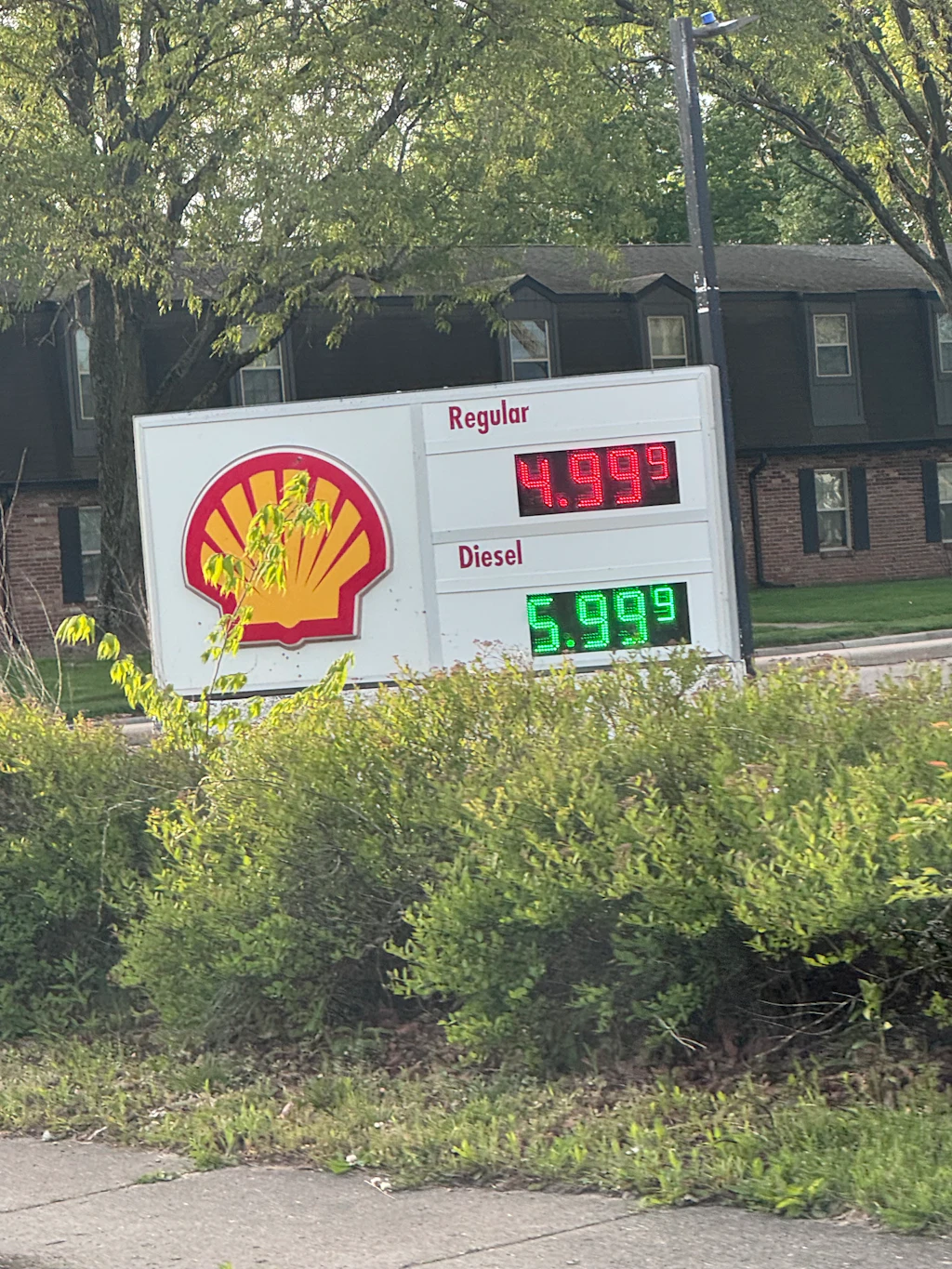
As any sports parent knows, these meets aren’t usually down the street. Most require a long haul. Such was our weekend, with venues up to 60 miles away. With gas prices hitting $4.99 per gallon in our area, we hit a wall. I coach at two of these meets, so I have to be there early. Ideally, my wife would have stayed back to handle grocery shopping and driven down later.
But at $5 a gallon, we had to take a beat. Was it worth driving two cars and burning the extra cash? Or should we delay the groceries and cram into one car to save money? If we did drive separately, what other expense would we have to kill to make up the difference? We already keep our thermostat below 60°F on cold days just to save money, yet we still can’t get our utility bill under $300 a month. Two years ago, it was $150.
This is the reality for the majority of Americans. Affordability is shot. From healthcare to utilities to groceries, the cost of just existing in America is becoming unsustainable. The value of the median American household, bringing in $72,330 per year (after-tax), has been knocked down by inflation and is doing its best to crawl back up.
Then, the Iran war kicked Americans square in the gut while they were down.
The Math of the "War Tax"
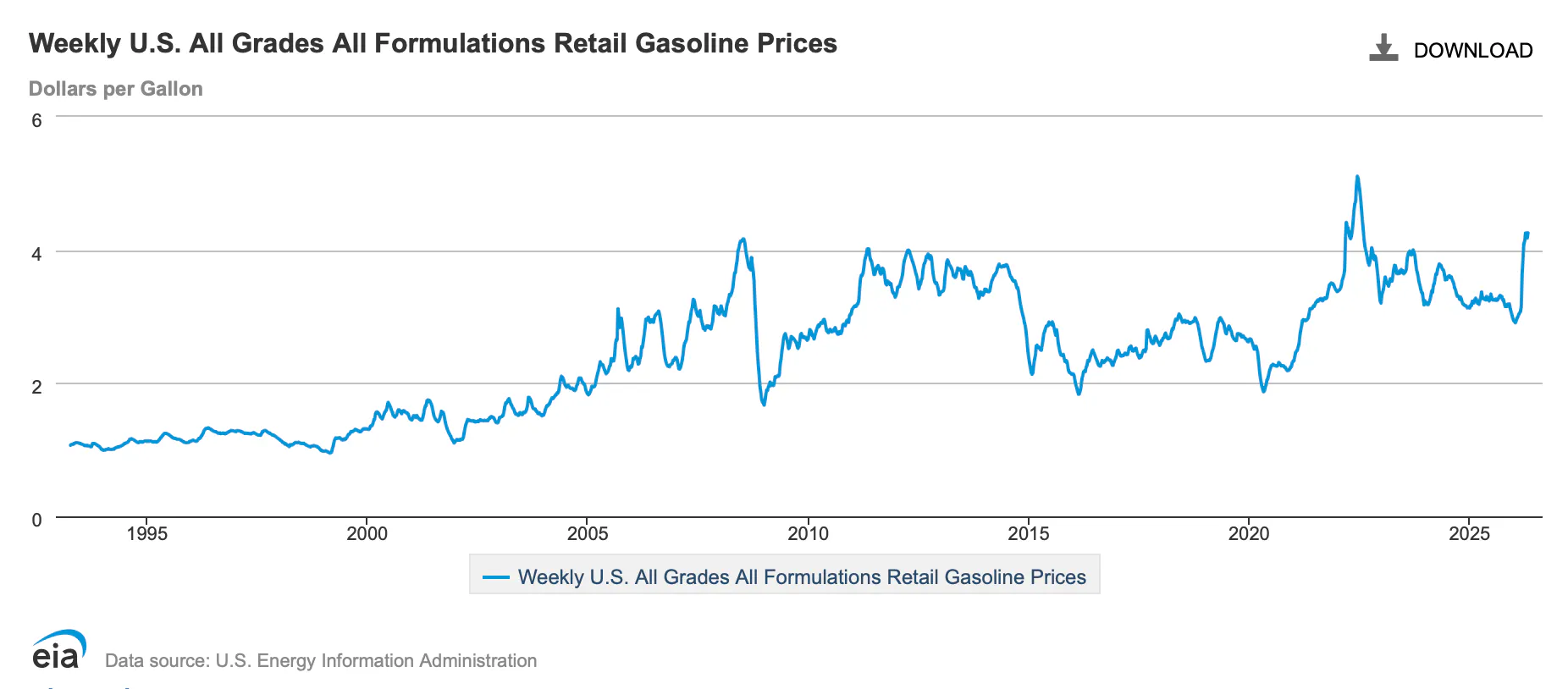
Since the conflict began, Americans have been forced to pay 40% more for gasoline. We jumped from $2.94/gallon (week of Feb 23) to $4.12/gallon (week of Apr 27).
Source: EIA
When you do the math, this is an immediate "war tax" of over $100 per month.
Here is the breakdown:
- Mileage: The average driver covers 261 miles per week. With 1.9 cars per median household, that is roughly 496 miles per week of driving.
- Efficiency: The average fuel efficiency for the total U.S. fleet is roughly 25 mpg.
- Consumption: Dividing 496 miles by 25 mpg gives us 19.84 gallons used per week.
- The Spike: Multiplying those 19.84 gallons by the war-induced price hike of $1.18 per gallon equals an extra $23.41 per week.
That totals $101.45 per month, or $1,217.40 per year. For a family bringing in $72,330, this gas hike alone just vaporized 1.7% of their total annual income.
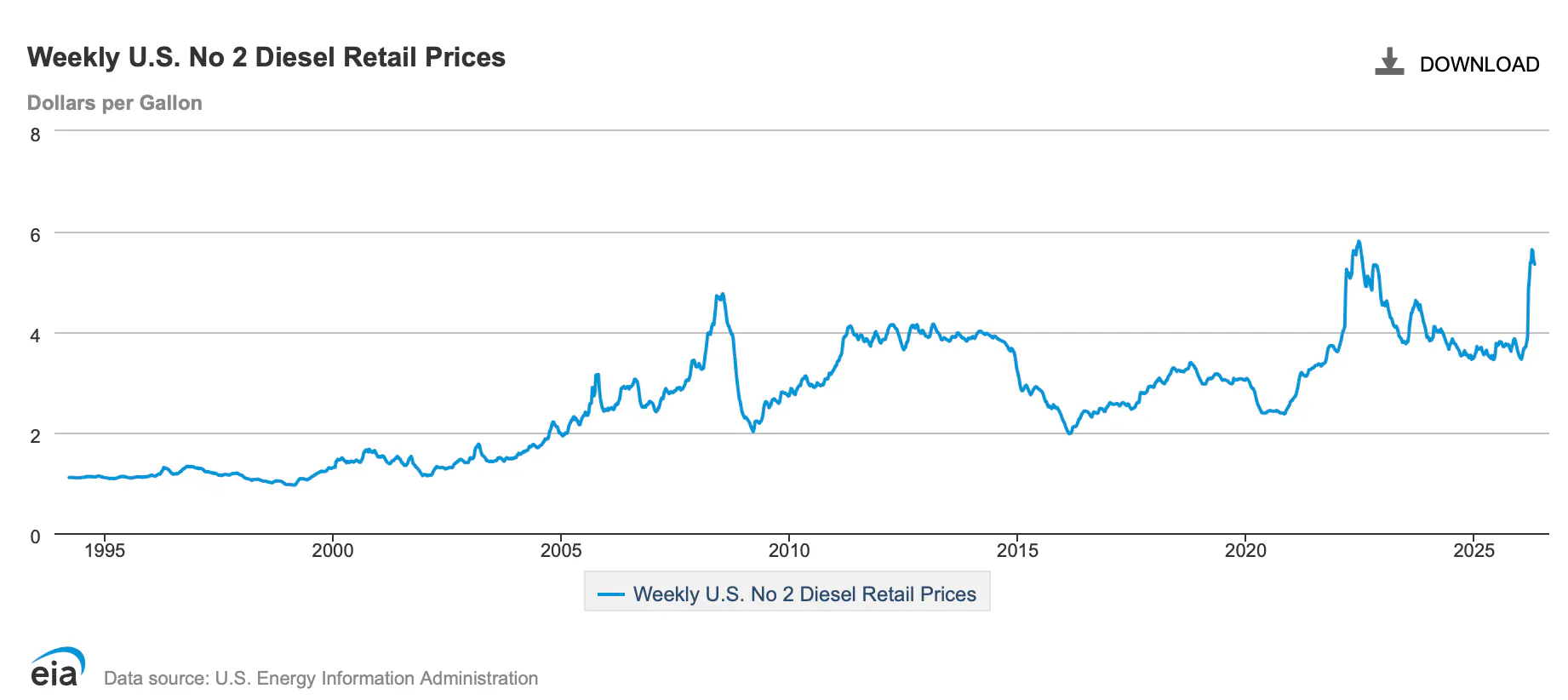
And that’s just the gas tank. With diesel prices surging 40.4%, a fuel surcharge will inevitably be passed from transportation companies to retailers. This war tax is just getting started; we don’t even know the true bill yet.
Source: EIA
The 1% View: A War Windfall
This bleak story does not apply to the wealthiest Americans. In fact, the top 1% aren’t paying a war tax at all - they are receiving a war windfall.
- The top 1% has a median net worth of $11.1 million, primarily held in equities.
- Since February 27, 2026 (the day before the war), the S&P 500 is up 12.5%.
- Assuming 80% of that wealth is in equities, the top 1% has seen their net worth increase by roughly $1.1 million in just over two months.
Subtract the extra $1,217 in gas costs from that gain, and the net windfall is... still $1.1 million. For the elite, the "war tax" is literally infinitesimal compared to the market rally.
The Incentive for Chaos
Why is the equity market soaring in the midst of global chaos? Market followers will point to "fantastic big tech earnings," but that proves my point. The market does not care about American affordability. It cares about the incestuous cycle of trillion-dollar tech companies selling products back and forth to each other.
This war is just noise for the rich - real-life death and destruction as entertainment to be looped on corner-office TVs while bank accounts swell. If the market were a true mechanism for valuing the future, it would be down. It would recognize that the destruction of American purchasing power will eventually impair the cash flows of these trillion-dollar companies. Instead, the market has decided that economic prospects are better now than they were before the war started.
Each time we face a national shock, we see a step-change in the transfer of wealth from the poor to the rich. We thought we hit rock bottom last year when the government cut social programs to fund tax cuts for the wealthy. We were wrong.
As Charlie Munger famously said, "Show me the incentive and I’ll show you the outcome." The elite have a direct financial incentive to see this conflict continue because they profit off the pain it causes. This is a cash grab. And unless we fight to restore affordability, we shouldn’t be surprised when they find the next creative way to enrich themselves by stealing from the rest of us.
Enjoying this post?
Tell others about it.
More articles like this
Fetching Related Posts
There are no other articles tagged with Data 4 Thought